Should the U.S. Have a Cyber Force?
Congress already put this to a vote. Here’s the actual state of the debate, not the hot-take version.

The problem it’s trying to solve
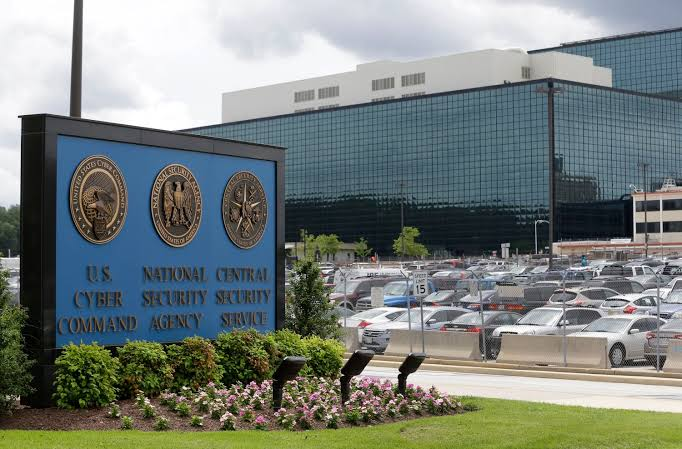
Cyber force generation is split across four services — Army, Navy, Air Force, Marine Corps — each running its own recruiting, training, and promotion pipeline, and none of them treat cyber as the priority mission. On top of that, U.S. Cyber Command has been chasing “full operational capacity” for the Cyber Mission Force for years. Multiple officers who’ve served on those teams have said the numbers on paper get hit by rotating the same trained personnel between billets to check the certification box, not by actually growing the pipeline.
The result is a workforce model where a cyber operator’s career, pay, and promotion timeline depend more on which service badge they wear than on the skills they’re building — and where CYBERCOM has to negotiate with four different HR systems to generate forces for a mission that doesn’t respect service boundaries.
The proposal on the table
In June, the CSIS Commission on U.S. Cyber Force Generation — a joint effort between CSIS and the Foundation for Defense of Democracies’ Cyber Solarium Commission 2.0 project — published a roadmap for what a standalone Cyber Force could look like if Congress decides to build one. The model:
- Officer and warrant only, no enlisted cadre — closer to the U.S. Public Health Service than to a traditional branch
- ~30,000 total personnel — roughly 20,000 active-duty commissioned/warrant officers, 3,500–5,000 part-time National Guard, and 5,000–6,000 civilians and contractors
- National Guard over Reserve — the commission recommended against a traditional Reserve component, preferring a Guard construct that can operate under both federal and state authority
- $10–11 billion to stand up, roughly $20 billion a year to operate
- 12 to 18 months minimum to reach initial operational capability
The report wasn’t written to argue whether a Cyber Force should exist — the commission’s mandate was to build the “if yes, here’s how” playbook, assuming lawmakers eventually pull the trigger.

Where the politics actually stand
Sen. Kirsten Gillibrand (D-NY) put an amendment on the table for the FY27 NDAA that would’ve created the Cyber Force — but notably, under the Army, the same way the Marine Corps sits under the Department of the Navy. Not a fully independent department standing alone next to the other five.
The opposition isn’t fringe, either. Retired CYBERCOM leadership — including former commander Gen. Timothy Haugh and former deputy chief Lt. Gen. Charles “Tuna” Moore — has pushed back publicly, arguing the Pentagon should let CYBERCOM 2.0 reforms mature before layering a whole new service on top of them. The Pentagon’s own cyber policy shop has stayed carefully neutral, calling it a legitimate debate rather than picking a side.
The actual disagreement
Nobody credible is arguing the current model works well. The fight is over the fix:
- Build a new service and accept a 12–18 month stand-up window, a new bureaucracy, and $10B+ in upfront cost — in exchange for a workforce pipeline that’s finally built around cyber as the primary mission instead of an additional duty.
- Fix CYBERCOM in place through the CYBERCOM 2.0 reforms already underway, on the bet that a sixth branch adds structural weight without actually solving the talent pipeline problem faster than fixing what exists.
Both sides agree on the diagnosis. They disagree on whether the fix requires a new org chart or a better-resourced existing one.
Where this goes next
The Senate’s version of the FY27 NDAA moves forward without the Cyber Force provision. Whether it comes back depends on the House markup and whatever emerges from conference between the two chambers later this year. Worth watching, not worth betting on yet.